
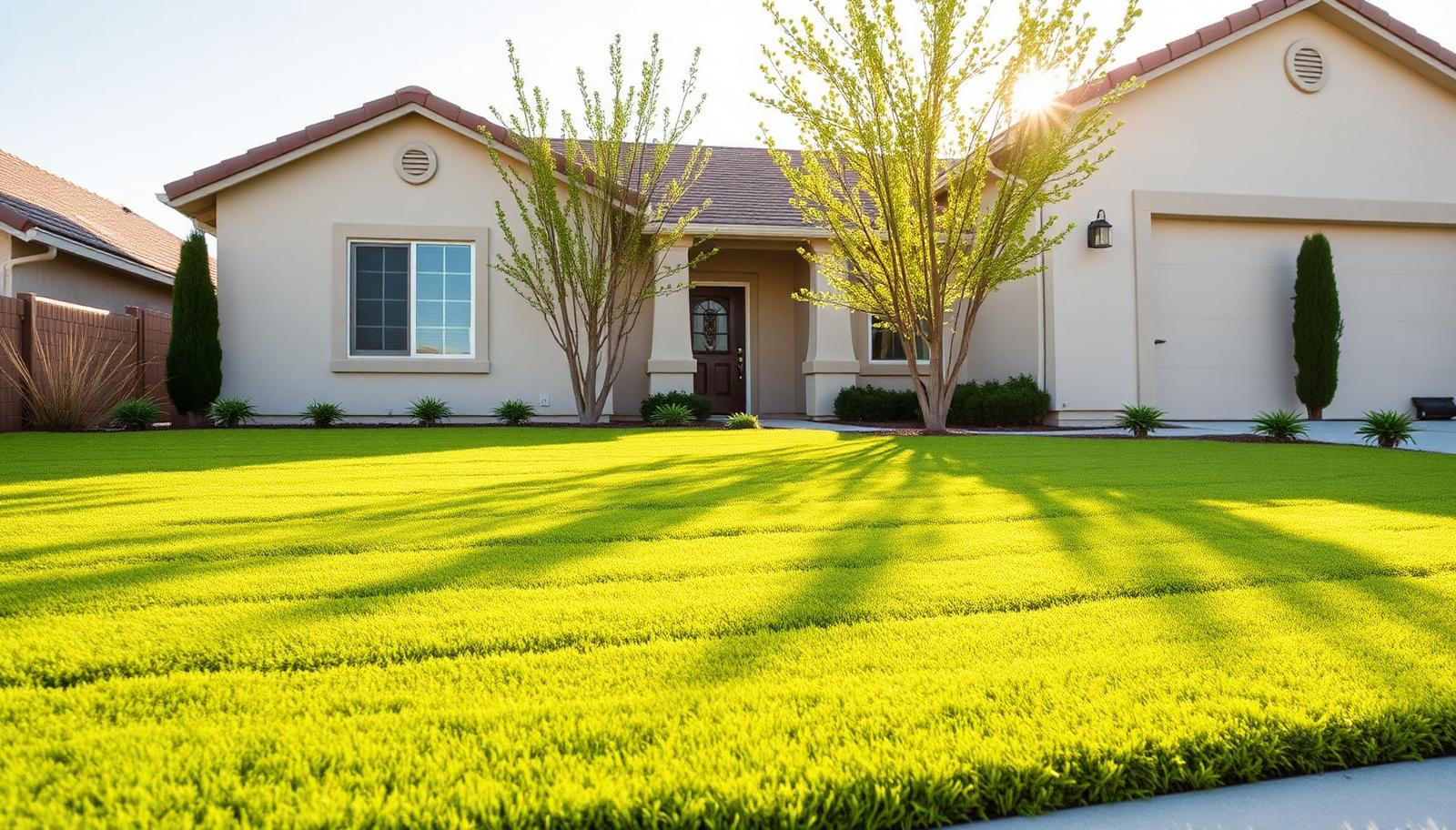
Got a New Clovis Build? Here's How to Not Kill Your Brand-New Lawn
Key Takeaways
- The first six weeks after installation determine whether new sod survives roots are chasing moisture downward, not sitting on top of it.
- Factory settings on smart irrigation controllers are generic; they need to be reprogrammed for your specific yard and sod type.
- Never mow new sod until it resists a gentle tug usually two to three weeks or you risk tearing it loose.
- Seams, edges, and strips next to driveways or fences dry out first because sprinkler coverage is weakest there.
- Builder soil is often compacted construction dirt under a thin layer of topsoil, which is why healthy- looking sod can stall out a year later.
- A new lawn needs one full summer and winter before it's truly established don't judge it by month one.
Why Brand-New Clovis Lawns Turn Brown by July
Clovis keeps building, and every new home in Harlan Ranch, Loma Vista, and the developments out past Shepherd seems to arrive with a roll of fresh green sod that looks like a golf course on move-in day. Then July hits, and a lot of those picture-perfect lawns turn into a patchwork of brown and yellow. The grass was never the problem new sod simply has needs that nobody explains at closing. Below is the exact walkthrough our crews give every new Clovis homeowner who calls that first summer, drawn from our lawn care services in central valley, so you can keep that new lawn alive instead of replacing it in year two.
The First Six Weeks Decide Everything
Fresh sod has almost no root system. It's essentially a green carpet laid on top of graded dirt, and until those roots knit down into the soil beneath it, the whole thing can dry out in a single hot afternoon. During those first six weeks, the playbook is completely different from an established lawn: water lightly and often to keep the soil under the sod damp never soaked because the roots are chasing that moisture downward, not lounging in it.
We see new Clovis owners make two opposite mistakes constantly. Some water once a day like they would an old, established lawn, and the sod fries in the afternoon heat. Others drown it on the theory that more water is safer the roots have no reason to dig, and the whole lawn turns spongy and starts rotting at the seams. The sweet spot is short cycles several times a day at first, then a steady taper as the roots take hold.
New Sod Watering Timeline (Central Valley Summer)
| Time Since Install | Watering Frequency | What's Happening Below the Surface |
|---|---|---|
| Days 1–7 | 2–4 short cycles/day | Sod pad alive on stored moisture; roots not yet attached to soil |
| Days 8–14 | 2 cycles/day | White rootfibersbegin extending into the native soil |
| Weeks 3–4 | 1 cycle/day, longer runtime | Roots anchoring; a gentle tug starts to meet resistance |
| Weeks 5–6 | Every other day | Root system deepening; lawn tolerates brief dry spells |
| Established (6+wks) | 2–3 deep waterings/week | Roots several inches deep; lawn runs on a normal schedule |
These windows shift with the weather installs during a 100°F stretch need an extra cycle added to Week 1, while cooler spring installs can ease off sooner. For a deeper technical breakdown, the UC Integrated Pest Management program's irrigation guide covers uniform coverage and scheduling for California lawns in more detail.
Program the Smart Controller: Don't Just Trust It
Almost every new Clovis build comes with a Hunter or Rain Bird smart controller, and almost every one ships on a generic factory schedule that has nothing to do with your yard's sun exposure, soil, or sod type. The technology is genuinely good it's only as smart as the settings someone actually dials in.
- Set turf zones separately from shrub and tree drip they never want the same schedule.
- Start with frequent, short cycles for new sod, then shift to two or three deep days a week by week six.
- Turn on the seasonal adjust feature and bump it toward 110% in the worst of August.
- Walk the yard while it runs at least once builders leave crooked and blocked heads constantly.
Don't Mow Too Soon: and Never Scalp It
It's tempting to give a new lawn its first cut right away, but mowing before the roots grip will literally tug sheets of sod loose behind the mower. Wait until a gentle tug on the corner of a piece meets real resistance — usually around two to three weeks before the first cut. Even then, take only the top off and keep the blade sharp, so you're cutting the grass instead of tearing it.
Once established, Clovis's curb-appeal rules kick in. Bermuda common to Harlan Ranch likes to be kept on the shorter side, fescue blends want to stay taller through summer, and either way, crisp edges and a diagonal mowing pattern are what get the new neighbours asking who does your yard.
Warm-Season vs. Cool-Season Turf: Quick Comparison
| Warm-Season (Bermuda) | Cool-Season (Fescue Blends) | |
|---|---|---|
| Weekly water need (established) | About 1 inch/week | Up to 2 inches/week |
| Ideal mowing height | Shorter (0.75–1.5 in.) | Taller (2.5–3.5 in.) |
| Peak growth season | Late spring–summer heat | Fall and spring |
| Summer heat tolerance | Excellent | Moderate — needs more water to stay green |
Watch the Seams and the Edges
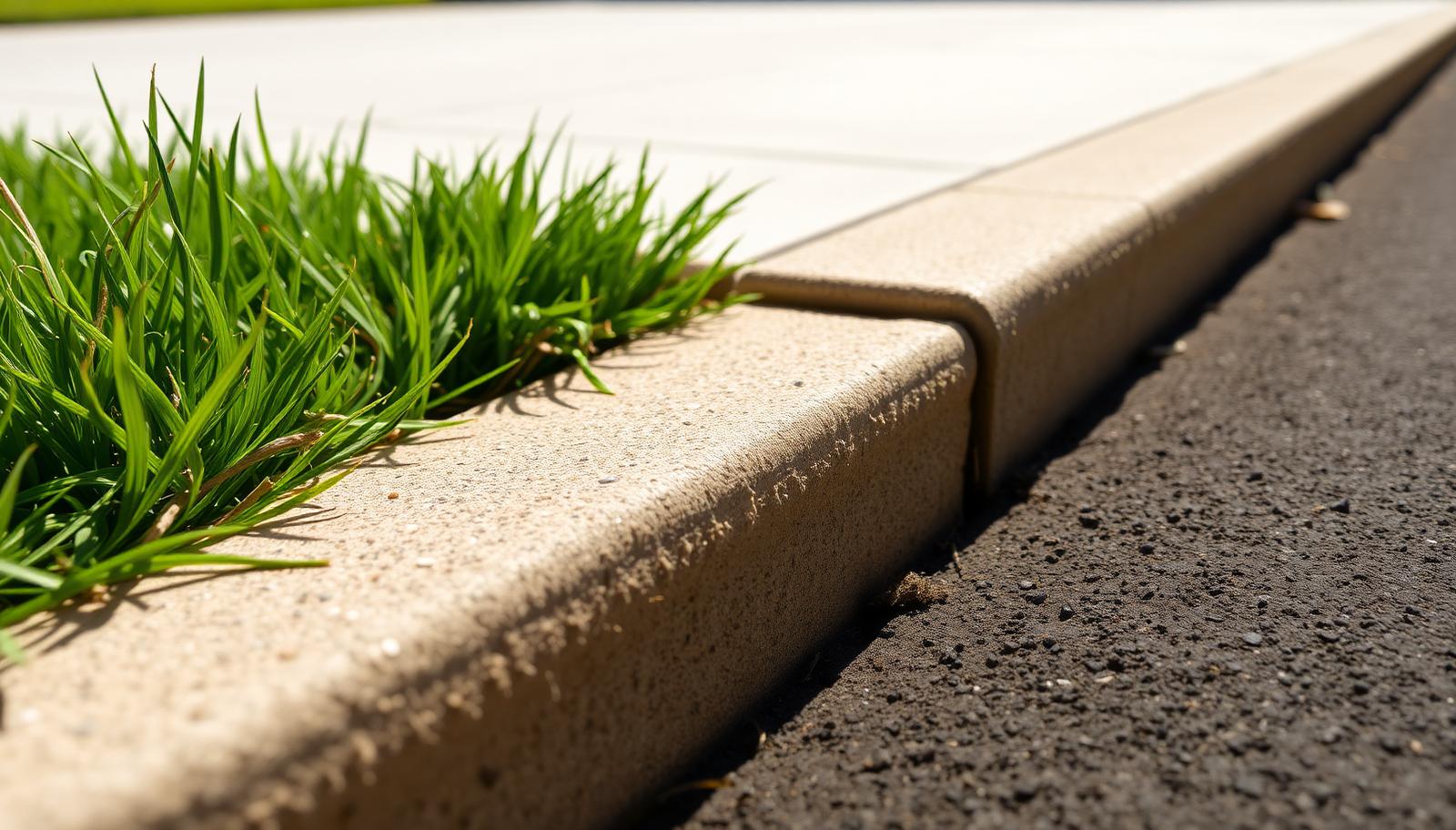
New sod is laid in strips, and the seams between those strips are where things go wrong first. If the edges start curling up or fading to a tan colour, that's the sign your watering isn't reaching them. Hand-watering the seams and outer border for the first month is a quick fix, since sprinkler coverage is almost always weakest at a lawn's edges and corners.
The strip along a hot Clovis driveway or a south-facing fence takes the most abuse. Reflected heat from concrete and stucco pushes soil temperatures well above the surrounding lawn, so that's the first place a brand-new lawn shows stress and the last place it recovers.
The Builder's Hidden Problem: Compacted Soil
Here's something builders never advertise: the soil under new Clovis sod is often scraped, compacted construction dirt with only a thin skim of topsoil on top. The lawn looks great for a month because the sod itself starts out healthy, but the roots eventually hit that hard, lifeless layer and stall. It's why so many one-year-old yards in newer developments plateau and start thinning even with good watering habits.
The fix is aerating in the first full spring and topdressing with compost so roots have somewhere worth growing into. If a section refuses to green up no matter what you try, that compacted base layer is usually the culprit and a little soil work fixes what no amount of fertilizer ever will.
Give It One Full Season Before You Judge It
A new Clovis lawn isn't really yours until it has survived one summer and one winter. Year one is about building roots, not chasing a magazine look. Baby it through that first brutal July, feed it lightly heading into fall, and year two is when it thickens up into the lawn you actually paid for.
Just moved into a new Clovis build and not sure where to start? Efrain Lawn Service will set the controller, check every head, and put your new lawn on a weekly plan so it survives its first summer. Call (559) 480-9299 for a free, in-person estimate.
Tap. Talk. Done.
Ready to protect your brand-new Clovis lawn?
Free in-person estimates across the Central Valley.
Open Mon-Sat · Same-day callbacks · Se habla español