Key Takeaways
- Fresno's clay soil resists absorbing water quickly, so runoff often gets mistaken for adequate watering
- Compaction, not lack of water, is behind many of the brown patches homeowners see in midsummer
- Annual core aeration is one of the highest-impact, lowest-cost things a Fresno lawn can get
- Cycle-and-soak watering, short bursts with breaks between, works far better on clay than one long watering session
- Compost topdressing gradually loosens clay structure over a couple of seasons
- A taller mowing height helps shade roots and reduce evaporation on clay soil
- Real improvement on clay takes a full year or two of consistent care, not a single season
If you've ever tried to dig a hole in your Fresno backyard in August, you already know the truth about our soil. It comes out in dense, cracked chunks that feel more like pottery than dirt. That heavy clay is the single biggest reason lawns in this town struggle, and it's also the thing almost nobody talks about when they hand you a generic watering schedule.
We've been mowing and reviving yards from Old Fig Garden to Sunnyside for years as a lawn care company in the Central Valley, and once you understand how clay actually behaves, everything else about lawn care here gets easier.
Did you know? A single cubic foot of Fresno clay can hold significantly more water than the same volume of sandy soil, the problem was never capacity. It's speed. Clay just won't let water in fast enough before a typical sprinkler cycle moves on, which is exactly why so many "well-watered" lawns are actually bone dry three inches down.
Why Fresno Clay Fools So Many Homeowners
Clay is sneaky. It holds water beautifully once moisture finally soaks in, but it resists letting that water through the surface in the first place. So you turn the sprinklers on, the water beads up and runs down the driveway, and the top half inch looks wet while the roots three inches down stay bone dry. People see runoff and assume they're watering enough. They're not. They're just watering the sidewalk.
The other trap is compaction. Clay packs down hard under foot traffic, kids, dogs, and the sheer weight of the soil itself. Once it compacts, air and water can't reach the roots, and the grass slowly thins out no matter how much you feed it. A lot of the brown patches we get called about in July aren't a watering problem at all. They're a soil problem wearing a watering costume.
Aeration Is The Cheapest Fix Nobody Does
If we could get every Fresno homeowner to do one thing, it would be core aeration once a year. Pulling little plugs of soil out of the lawn opens up channels for water, air, and root growth. On clay, the difference is night and day. Grass that looked tired and patchy in spring fills back in within a few weeks because the roots can finally breathe.
We run aeration on a seasonal schedule that matches how each grass type actually grows:
| Grass type | Best aeration timing |
|---|---|
| Cool-season lawns | Early spring |
| Bermuda | Late spring, right before major growth |
It's not a glamorous service, you'll have what looks like goose droppings scattered across the yard for a day or two, but it's one of the best dollars you can spend on a Fresno lawn.
How To Water Clay The Right Way
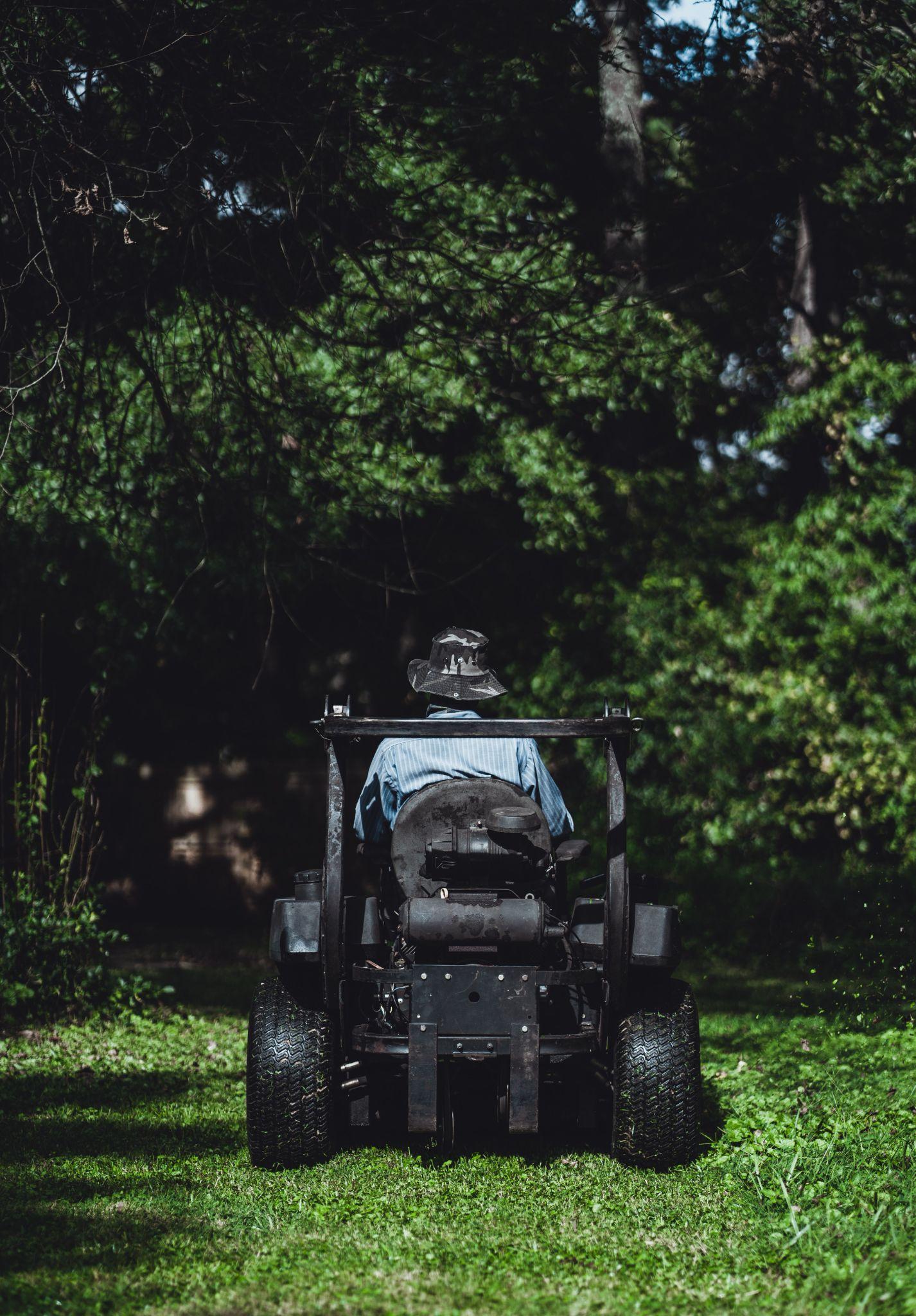
The fix for runoff is simple in concept: stop trying to water all at once. Splitting every watering into short bursts with a soak in between gives the clay time to actually absorb each pass instead of shedding it straight to the gutter.
- Run each zone in two or three short cycles instead of one long one
- Leave 20 to 30 minutes between cycles so the surface has time to drink
- Water before sunrise so wind and heat don't steal half of it
- Push a screwdriver into the soil after watering, if it slides in 4 to 6 inches, you hit the target
Feeding Clay Without Burning It
Heavy clay is usually rich in nutrients, which surprises a lot of people, but those nutrients get locked up when the soil is compacted and the pH drifts out of range. Rather than dumping high-nitrogen fertilizer that burns in our heat, we lean on lighter, more frequent feeding paired with a yearly topdressing of compost.
The compost is the quiet hero here. Worked into an aerated lawn, it slowly loosens the clay structure over a couple of seasons, and the whole yard becomes noticeably easier to manage from there on out. Think in years, not weekends. You won't turn pottery into garden loam in one spring, but aerate, topdress, and water deep on a consistent schedule, and the lawn you have in two years won't resemble the one you have now.
Mowing Height Matters More On Clay
Because clay dries out and crusts on top, the grass needs every bit of shade it can give its own roots. We keep cool-season lawns at three inches or a little higher through summer and never scalp them. Taller blades keep the soil cooler, slow evaporation, and crowd out the crabgrass that loves to colonize bare, baked patches along Fresno walkways.
What A Realistic First Year Actually Looks Like
Here's the honest version, not the marketing version, of what to expect when tackling rough clay:
| Season | What happens |
|---|---|
| Spring | First core aeration and a compost topdressing |
| Summer | Mowing height held up, deep watering on a cycle-and-soak schedule, light feeding so nothing burns |
| Fall | Lawn is noticeably thicker, thin areas get overseeded while soil is still warm |
| Second spring | Grass greens up earlier, holds color longer between waterings, prior bare spots have closed in |
None of that is magic. It's steady, unglamorous work that respects what Fresno soil actually is instead of pretending it's something else.
Why This Matters Beyond Just Your Own Yard
As a landscape company in the Central Valley, we see the same clay story repeat across neighborhoods that otherwise look nothing alike. Whether you're working with a landscaping company in the Central Valley for a full yard renovation or just trying to keep your existing lawn alive through summer, the underlying soil problem doesn't change. It's one of the reasons homeowners increasingly turn to landscaping contractors in the Central Valley rather than guessing their way through another failed sprinkler schedule.
Working with professional landscapers in the Central Valley who actually understand clay, rather than applying a one-size-fits-all lawn plan, tends to be the difference between a yard that limps through summer and one that genuinely improves year over year.
Frequently Asked Questions
Ready for a Lawn That Actually Improves Each Year?
If you're tired of guessing why your lawn won't hold up through a Fresno summer, Efrain Lawn Service can build a plan around what your soil actually needs, not a generic watering schedule pulled off the internet.
Tap. Talk. Done.
Ready for a Fresno lawn that improves every year?
Free in-person estimates across Fresno and the Central Valley.
Open Mon-Sat · Same-day callbacks · Se habla español