
Key Takeaways
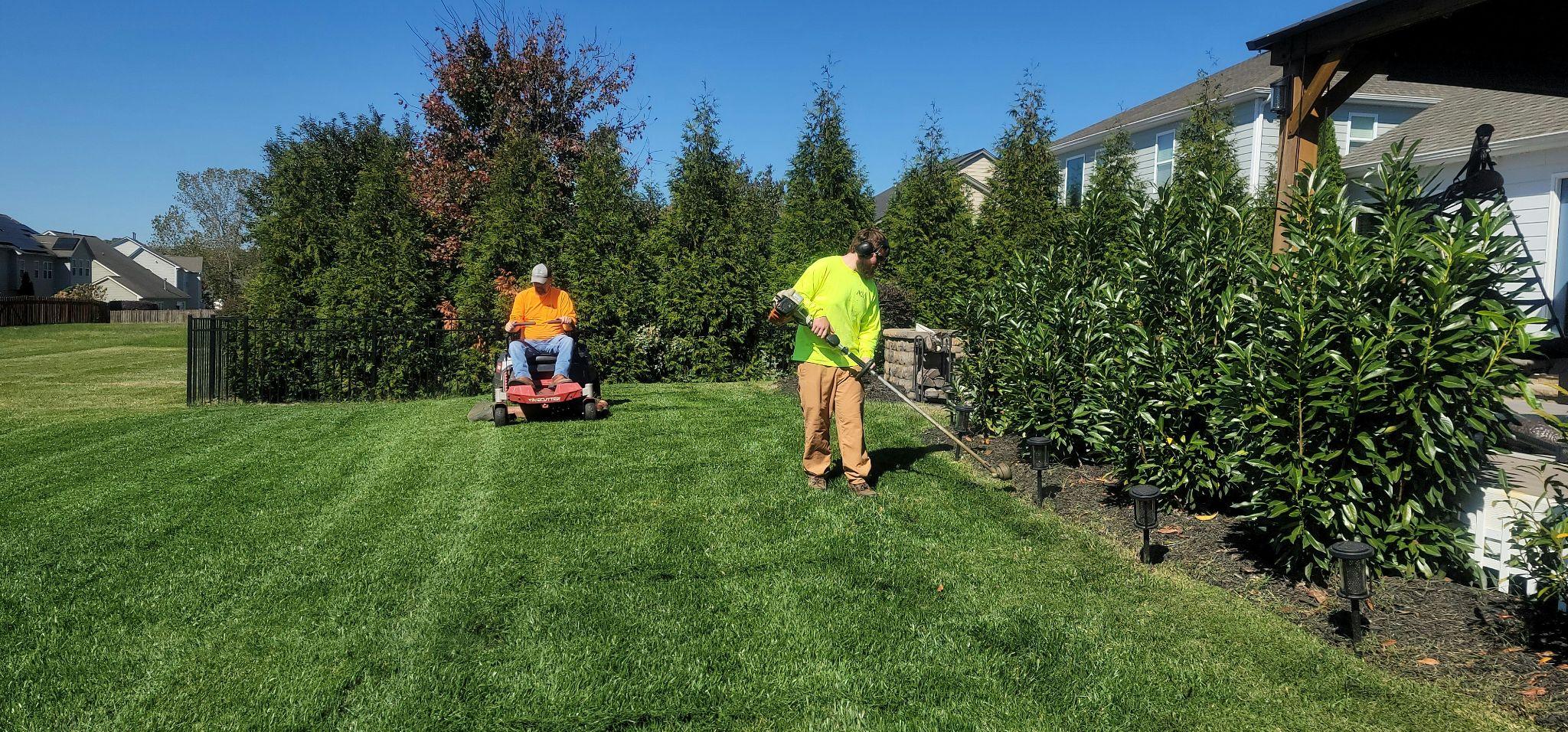
- Professional lawn maintenance can include mowing, edging, trimming, cleanup, weed monitoring, and irrigation checks.
- Lawn maintenance frequency should reflect grass type, growth rate, season, sunlight, and site conditions.
- Regular irrigation inspections can help identify leaks, damaged sprinkler heads, poor coverage, and other watering issues.
- Consistent maintenance and early attention to turf problems can help keep landscapes healthier and easier to manage.
Introduction
A healthy lawn rarely stays healthy by accident. It takes regular mowing, appropriate watering, timely cleanup, and attention to early signs of weeds, pests, or turf stress. For homeowners considering lawn maintenance services in Central Valley, professional care can take those recurring tasks off your schedule while keeping maintenance consistent.
The important question is what you are actually getting for that service. Professional lawn care should go beyond simply cutting grass. It should account for the condition of the property, seasonal changes, irrigation, and the type of turf being maintained.
What's Included in Professional Landscaping Services in Central Valley?
Professional landscaping services can include routine lawn care, trimming, edging, cleanup, weed management, irrigation checks, and other maintenance tasks depending on the property and service agreement.
A typical maintenance visit may include:
- Mowing and maintaining appropriate grass height
- Edging along sidewalks, driveways, and hard surfaces
- Trimming overgrown plants and shrubs
- Removing leaves, clippings, and landscape debris
- Inspecting visible irrigation problems
- Monitoring weeds and signs of turf stress
- Maintaining the overall appearance of planted areas
The exact scope should always be confirmed before work begins. A maintenance package designed for a simple residential lawn may look very different from one covering a larger property with trees, planting beds, and irrigation zones.
How Often Should a Lawn Be Maintained?
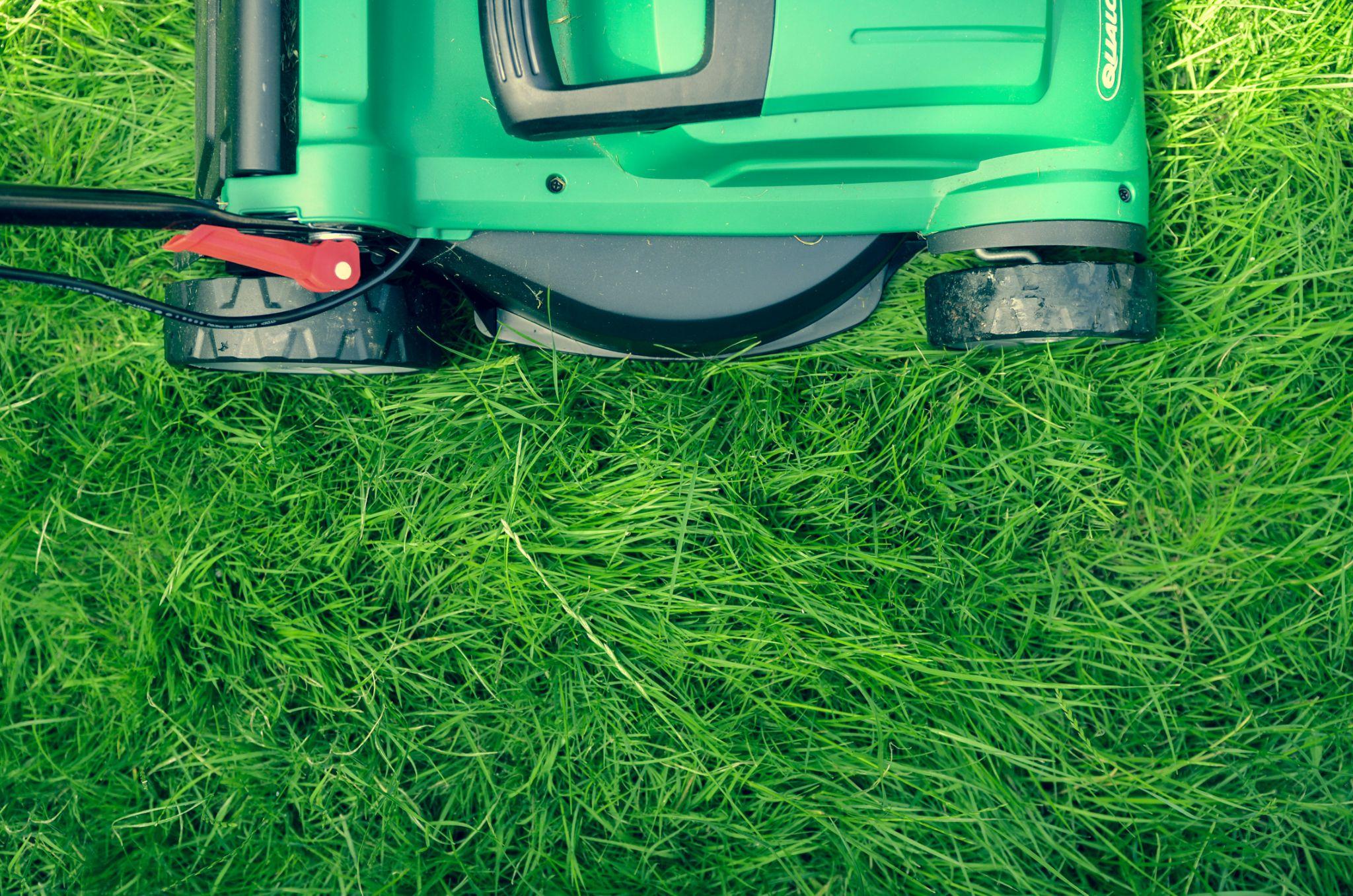
There is no universal schedule that works for every Central Valley lawn. Grass type, season, irrigation, sunlight, soil, and growth rate all affect how frequently maintenance is needed.
Weekly lawn maintenance can make sense for properties experiencing faster growth or homeowners who want a consistently manicured appearance. A less intensive property may be suitable for bi-weekly lawn maintenance in Central Valley, particularly during periods when growth slows.
| Maintenance Schedule | May Suit |
|---|---|
| Weekly | Fast-growing lawns and highly maintained properties |
| Bi-weekly | Slower growth periods and lower-maintenance yards |
| Seasonal adjustments | Properties affected by changing weather and turf growth |
The schedule should follow the lawn rather than an arbitrary calendar. UC IPM recommends adjusting watering according to turf type, season, soil, and site conditions, reinforcing the broader principle that landscape maintenance needs change throughout the year.
What Does Professional Lawn Care Look Like Beyond Mowing?
The biggest difference between basic mowing and comprehensive maintenance is observation.
An experienced lawn professional looks for small problems before they become expensive or difficult to correct. Uneven green color, dry patches, excessive thatch, standing water, damaged sprinkler heads, and emerging weeds can all point toward underlying maintenance issues.
For example, UC IPM notes that incorrect irrigation is a common cause of lawn damage and recommends checking sprinkler systems for leaks, broken heads, faulty valves, and poor coverage.
That means a maintenance visit should not be viewed simply as a scheduled haircut for the grass. It is also an opportunity to identify conditions affecting turf health.
How Can Homeowners Get Better Results From Lawn Maintenance?
Start by making sure the service provider understands the property rather than applying the same routine everywhere.
Before establishing a maintenance schedule, consider:
- Identify the turf: Different grass types have different mowing and watering requirements.
- Check irrigation: Look for broken, tilted, clogged, or misdirected sprinkler heads.
- Assess sun exposure: Shaded areas generally have different water needs from full-sun areas.
- Watch drainage: Standing water or runoff may indicate an irrigation or soil problem.
- Adjust seasonally: Growth and water requirements change throughout the year.
UC IPM recommends watering established lawns deeply and less frequently rather than relying on shallow, frequent watering, while also adjusting irrigation to seasonal needs.
Should Landscaping Services Include Water Management?
They should at least account for irrigation when lawn health depends on it. Watering too much can encourage problems, while insufficient or uneven watering can leave sections of turf stressed.
Professional maintenance does not necessarily mean replacing an irrigation system. Sometimes the practical fix is as simple as correcting sprinkler direction, adjusting scheduling, or identifying a damaged component.
If you want a broader overview of ongoing property care, Complete Guide to Lawn Care and Landscaping Services in Central Valley provides additional information about maintaining lawns and landscaped areas.
Choose Consistency Over Quick Fixes
The most reliable lawn maintenance programs are built around consistency. Regular mowing, edging, cleanup, observation, and appropriate irrigation create a foundation for healthier-looking turf.
Efrain Lawn Service can help homeowners establish a maintenance routine suited to their property's condition and needs. The right service schedule should keep the landscape manageable while addressing problems before they become larger maintenance concerns.
Ready for a Healthier Lawn?
Efrain Lawn Service can help you maintain your lawn with consistent mowing, edging, cleanup, and practical landscape care suited to your property.
Frequently Asked Questions
Tap. Talk. Done.
Ready for the Best Lawn on the Block?
Free estimates. Honest pricing. Family-owned in the Central Valley.
Open Mon-Sat · Same-day callbacks · Se habla español