Key Takeaways
- Mulch helps Selma landscapes retain soil moisture, moderate soil temperatures, and suppress weed growth during hot, dry conditions.
- Choosing the right material, such as shredded bark, wood chips, compost, or decorative gravel, depends on your plants and landscape goals.
- Proper mulch depth and spacing around plant stems help protect roots while preventing excess moisture buildup and other common problems.
- Professional mulch installation can improve flower bed appearance, reduce routine maintenance, and help create a more cohesive outdoor space.
In Selma, a beautiful landscape can face a tough combination of hot summers, dry spells, compacted soils, and thirsty plants. Keeping flower beds looking fresh can feel like a constant battle, especially when bare soil heats up and weeds seem to appear overnight. That is where mulching services in Selma can make a real difference.
Mulch does more than give garden beds a neat, finished appearance. The right material, applied at the right depth, can help regulate the temperature, conserve moisture, and protect plant roots. Whether you are refreshing a front yard or improving established flower beds, understanding mulch installation can help you make smarter choices for your outdoor space.
What are the Benefits of Mulch Installation in Selma?
Mulch installation creates a protective layer over the soil, helping landscapes handle local weather conditions while making routine garden maintenance easier. Here are six practical benefits worth considering.
Help Soil Retain Moisture During Hot Summers
Selma summers can put considerable pressure on lawns, shrubs, and ornamental plants. Exposed soil loses moisture more quickly, so garden beds may need frequent watering to keep plants healthy.
Mulch acts as a protective barrier that slows evaporation from the soil surface. While it cannot eliminate watering needs, it can help the ground stay moist for longer between watering sessions.
For the best results, spread mulch evenly around plants and check the soil before watering. A quick finger test beneath the surface can help you determine whether the root zone actually needs more moisture.
Keep Plant Roots More Comfortable
Think of mulch as a light jacket for your soil. Instead of allowing the ground to heat up and cool down as dramatically, it helps moderate temperature fluctuations near the surface.
This can be especially useful for shallow-rooted plants and newly established shrubs. Organic materials such as wood chips and shredded bark also gradually break down, contributing organic matter to the soil over time.
Keep mulch a few inches away from trunks and stems, however. Piling it directly against plants can trap excess moisture and encourage rot or pest problems.
Make Weeds Less of a Problem
Weeds compete with landscape plants for water, nutrients, and growing space. They can also make carefully maintained flower beds look untidy within days.
A suitable layer of mulch blocks some sunlight from reaching weed seeds, making germination more difficult. It will not stop every weed, particularly persistent perennial varieties, but it can reduce the number that emerge.
For an extra advantage, remove existing weeds before installation. Applying mulch over established weeds may hide the problem temporarily without resolving it.

Protect Soil from Erosion and Surface Crusting
Heavy irrigation or sudden rainfall can displace exposed soil, particularly on sloped garden beds. Repeated drying can also leave some soil surface hard and crusted.
Mulch cushions the impact of water droplets and helps protect the soil surface from direct exposure. This is useful around planting areas, along borders, and beneath shrubs where bare ground can otherwise wash away or become compacted.
On sloping sites, choose a material and particle size that are less likely to move downhill during watering.
Give Flower Beds a Cleaner, More Intentional Look
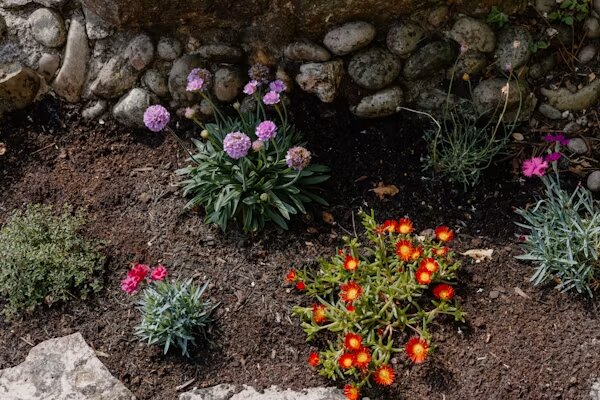
Mulch is also a simple landscaping design tool. It creates visual continuity between plants, highlights foliage and flowers, and gives garden beds a more finished appearance.
For example, dark brown can provide contrast against bright flowers and green shrubs, while natural wood tones may complement stone paths and neutral exterior finishes. Consistent coverage can also make a front yard appear more organized without requiring additional plants or decorative features.
Thoughtful flower bed landscaping in the Selma combines practical planting choices with these finishing details to create an outdoor space that looks good throughout the growing season.
Reduce Routine Garden Maintenance
Mulch can help reduce the time spent pulling weeds, correcting soil washout, and refreshing the appearance of exposed planting areas. Organic mulch may also improve soil structure as it decomposes.
However, mulch is not a maintenance-free solution. It gradually breaks down, shifts during watering, and may need topping up. Inspect your beds periodically and replenish material when coverage becomes thin, rather than automatically adding a thick new layer every season.
Which Mulch Is Best for Selma Landscapes?
The best choice depends on your plants, soil conditions, design preferences, and willingness to maintain the beds.
| Mulch type | Main advantage | Best suited for |
|---|---|---|
| Shredded bark | Attractive coverage with good moisture retention | Shrubs and ornamental beds |
| Wood chips | Durable texture and gradual decomposition | Established landscape beds |
| Compost | Adds organic matter and nutrients | Beds where soil improvement is a priority |
| Decorative gravel | Long-lasting and does not decompose like organic mulch | Suitable drought-tolerant planting designs |
Organic mulch generally suits beds where improving soil over time is desirable. Gravel may work well in certain dry-climate designs, but it can absorb and radiate heat, so plant selection and placement matter.
For most organic mulches, a layer around 2–3 inches is a useful starting point, adjusted for the material and existing conditions. Avoid covering plant crowns or burying stems, and check whether the bed already has sufficient mulch before adding more.
For additional guidance, consult the University of California Agriculture and Natural Resources' California Garden Web, which offers research-based information on California gardening and landscape care.
How to Get Better Results From Mulch Installation
A successful installation starts before the first bag or load of mulch arrives.
- Clear the bed: Remove weeds, litter, and unwanted plant debris.
- Check the soil: Water dry soil when appropriate before covering it, rather than expecting mulch to correct existing moisture problems.
- Choose the material: Match the mulch to your plants, landscape style, and maintenance goals.
- Apply an even layer: Cover exposed soil without burying stems, trunks, or plant crowns.
- Inspect after watering: Look for areas where mulch has shifted, exposed soil, or accumulated against plant bases.
These steps make mulch installation in the Selma more effective and help prevent common problems such as excessive buildup, uneven coverage, and moisture trapped against plant stems.
Refresh Your Landscape With Efrain Lawn Service
A well-maintained landscape should be inviting without becoming a constant weekend project. Efrain Lawn Service provides lawn and landscape services, including flower bed mulching, for property owners looking to improve the appearance and care of their outdoor spaces.
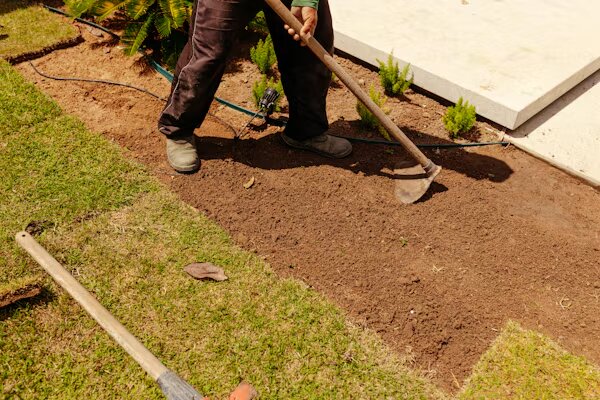
Professional installation can help create consistent coverage, define planting areas, and give your landscape a cleaner finish. It also provides an opportunity to choose suitable materials and address existing bed conditions before fresh mulch is applied.
Frequently Asked Questions
Tap. Talk. Done.
Ready for the Best Lawn on the Block?
Free estimates. Honest pricing. Family-owned in the Central Valley.
Open Mon-Sat · Same-day callbacks · Se habla español