Hedge Shaping Guide for Fowler's Front-Yard Privet Rows
Key Takeaways
- The single most common hedge-shaping mistake is trimming flat or narrow-at-the-bottom, which shades the lower branches and causes them to go bare permanently.
- The correct shape is a slight outward taper base wider than the top so sunlight reaches every branch, not just the crown.
- Fowler hedges need at least two trims a year: spring for shape, late summer for clean-up, with an optional third before the holidays.
- Central Valley summer heat makes heavy mid-summer shearing risky, since exposed interior wood can sunburn once the protective outer canopy is stripped away.
- A hedge that's hollowed out, fungus-spotted, or over 30 years old is often better replaced than trimmed again more shearing won't fix a structural problem.
The One Shaping Mistake That Kills Fowler Hedges
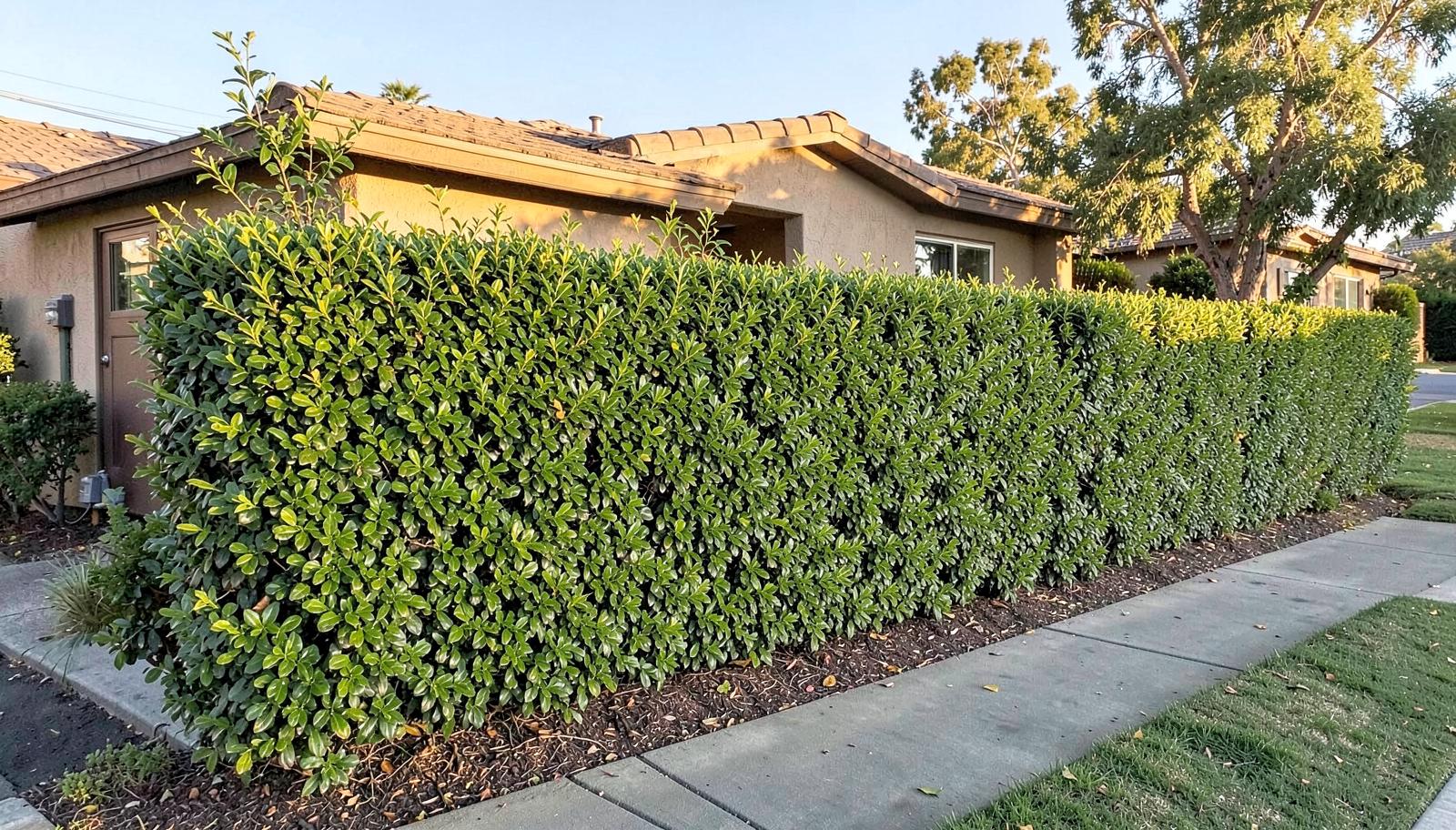
Walk down almost any residential street in Fowler and you'll see the same story repeating itself: big front-yard hedge rows, mostly privet, with plenty of oleander and a few standout Ficus specimens anchoring corner lots. Some of these hedges have been standing since the original owners planted them decades ago, dense and full from the ground up. Others, planted around the same time, are thin, leggy, and see-through at the base. The difference almost never comes down to the plant itself privet, oleander, and Ficus are all tough, forgiving species that can thrive in the Central Valley for generations.
The difference comes down to one shaping decision, repeated wrong, year after year. Homeowners searching for reliable hedge trimming in Central Valley properties are usually trying to fix exactly this problem after years of a hedge being trimmed the wrong way.
The mistake is almost always the same: shaping the hedge flat on the sides, or worse, narrower at the bottom and wider at the top the classic "A-shape" or, even more dramatically, a mushroom silhouette. It looks tidy for a season or two. Then the upper growth, now the widest and sunniest part of the hedge, starts shading everything beneath it. The lower branches, deprived of direct light, stop producing new leaves. Eventually they stop producing leaves at all, and no amount of future trimming brings them back.
Once a hedge has gone bare at the base, shearing it more aggressively doesn't fix the problem it just confirms that the bottom is permanently thin while the top keeps getting fuller and fuller.
Why Fowler's Privet, Ficus, and Oleander Rows Behave Differently
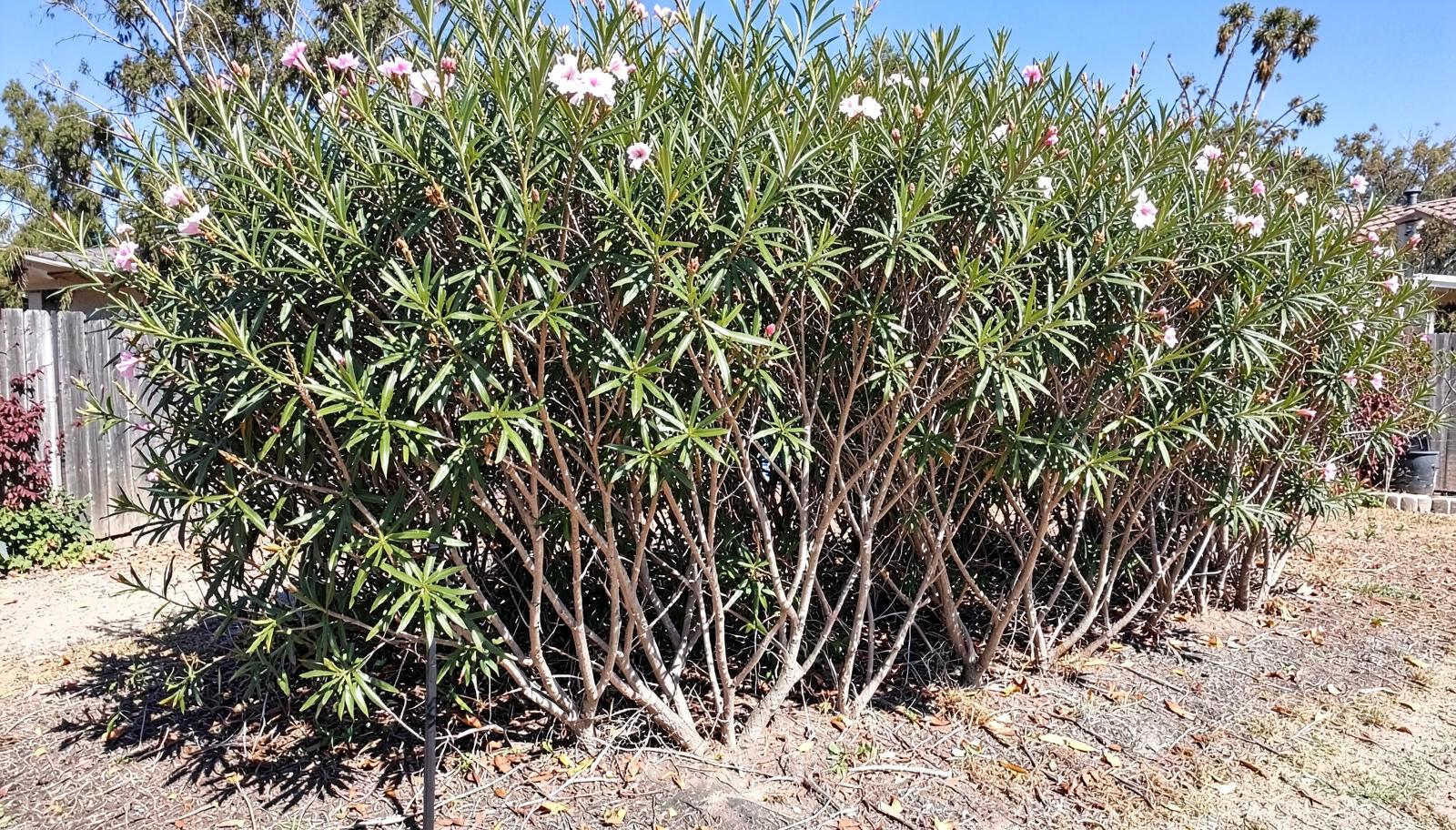
Not every hedge on a Fowler Street responds to shaping and timing the same way, because privet, Ficus, and oleander are genuinely different plants with different growth habits, even though they get grouped together as "front yard hedges." Privet is the fastest-growing and most forgiving of the three, which is exactly why it's everywhere it tolerates aggressive shaping and bounces back quickly, but that same Vigor means it needs the most frequent attention to avoid getting away from a homeowner. Ficus hedges grow more slowly and hold their shape longer between trims, but they're noticeably less forgiving of a hard cutback; overcorrecting a Ficus that's gotten wide can leave visible bare wood for a full growing season. Oleander sits in between the two, tolerant of Central Valley heat and drought once established, but slower to recover from base-level damage than privet.
| Hedge Type | Growth Speed | Shaping Tolerance |
|---|---|---|
| Privet | Fast needs frequent shaping | High; recovers quickly from aggressive trims |
| Ficus | Slow to moderate | Lower; hard cutbacks can leave visible bare wood |
| Oleander | Moderate | Moderate; slower recovery from base-level damage |
Wider at the Base, Narrower at the Top Every Time
This is the rule nearly every homeowner-trimmed hedge break, and it's backed by the same guidance professional horticulturists give everywhere hedges are grown. University of Florida's IFAS Extension notes that the most common mistake homeowners make is shearing a hedge into a sharp-edged box, and that the bottom of a box-shaped hedge inevitably thins out and can even die from lack of sunlight. The fix is a slight outward taper from top to bottom a trapezoid shape, not a rectangle so every branch along the height of the hedge gets its share of direct sun instead of the lower two-thirds living in permanent shade cast by the top.
Two Trims a Year, Minimum Sometimes Three
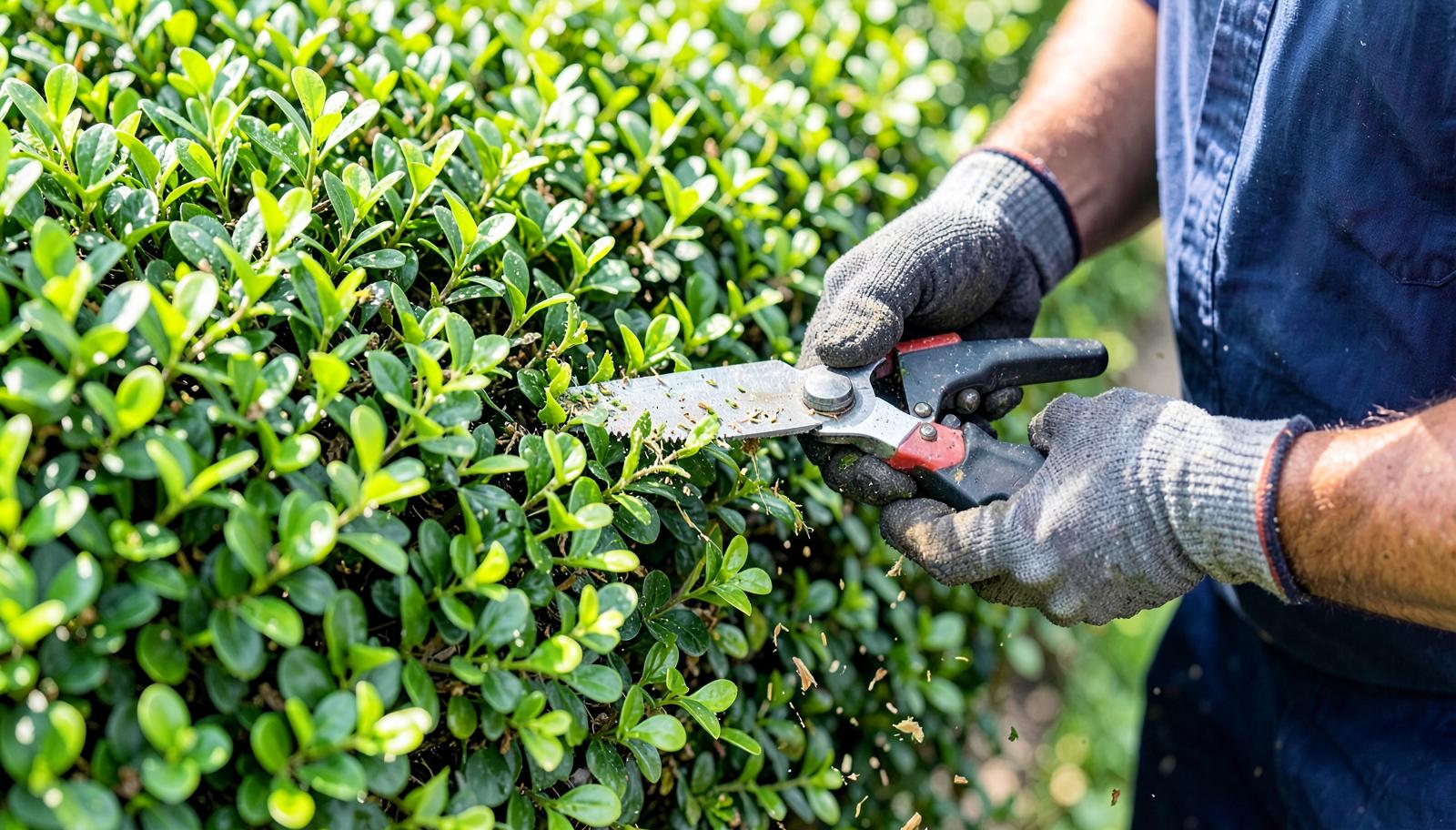
Timing matters almost as much as shape. A spring trim, typically in April, sets the season's structure and shape while growth is vigorous enough to fill back in quickly. A second trim in late summer, usually August, cleans up the loose growth that spring's warm weather pushed out and keeps the hedge from getting shaggy heading into fall. Homeowners who want their front yard picture-perfect for the holidays often add a third, lighter trim in late November or early December, mostly cosmetic, just enough to knock down the season's final flush of growth before company arrives.
| Trim Window | Primary Purpose | Intensity |
|---|---|---|
| Spring (April) | Establish shape and structure for the growing season | Full shaping cut |
| Late Summer (August) | Clean up loose growth, maintain taper | Moderate maintenance cut |
| Pre-Holiday (Nov/Dec, optional) | Cosmetic touch-up for a tidy, presentable look | Light surface trim |
Why Central Valley Heat Changes the Rules on Summer Trimming
There's a reason the late-summer trim is billed as "clean-up" rather than a full reshaping, and it has everything to do with Fowler's brutal summer sun. UC ANR's Fresno-area gardening guidance specifically warns that sunburn is a common problem on hedges pruned heavily during the summer in the Central Valley, with hedge tops showing the most damage from direct sun exposure once heat spikes push past 100 degrees. The recommendation from that same guidance is to shear hedges lightly and frequently through summer, roughly every six to eight weeks, rather than doing one aggressive cutback that exposes bark and interior wood to peak afternoon sun all at once. A hedge that gets scalped in July doesn't just look rough for a few weeks the exposed wood can suffer permanent sunburn damage that shows up as dead, brittle patches long after the leaves would otherwise have grown back.
When to Stop Trimming and Start Planning a Replacement
Not every struggling hedge needs another trim sometimes it needs to be removed and replanted, and pretending otherwise just delays an inevitable, more expensive fix. A hedge that's visibly hollowed out in the centre, with green growth only on the outer shell and nothing but bare branches underneath, has usually lost too much of its structure to recover through pruning alone. Fungus spotting on the leaves, especially if it returns season after season despite treatment, points to a plant that's fighting a losing battle rather than a temporary issue a trim will solve. And simple age matters too privet and oleander hedges pushing past 30 years old often reach a point of diminishing returns, where the wood has gone woody and unproductive at the core no matter how it's shaped on the outside.
| Warning Sign | What It Usually Means | Recommended Path |
|---|---|---|
| Hollowed-out centre, bare interior | Structural decline beyond what pruning can fix | Plan for removal and replanting |
| Recurring fungus spots on leaves | Ongoing disease pressure, not a one-season issue | Evaluate treatment vs. replacement |
| Hedge older than 30 years | Reaching natural end of productive lifespan | Discuss replacement timeline honestly |
Getting It Right From the Start
A hedge shaped correctly from year one can stay full and healthy for decades with nothing more than routine seasonal trims. A hedge shaped wrong for even a few years can develop bare patches that no amount of later correction fully reverses. That's the real value of getting a professional opinion before problems set in rather than after. Efrain Lawn Service has been shaping hedges across Fowler and the surrounding Central Valley for years, and the approach is always the same: taper the shape correctly, time the trims around the season's heat, and give an honest answer when a hedge has reached the point where trimming isn't the fix anymore.
Want your Fowler hedges shaped so they stay full from the ground up? Contact Efrain Lawn Service for a free in-person estimate and an honest look at what your hedges need.

Tap. Talk. Done.
Ready for hedges that stay full instead of going bare?
Free in-person estimates across Fowler and the Central Valley.
Open Mon-Sat · Same-day callbacks · Se habla español